For a better sustainability
in our built environment

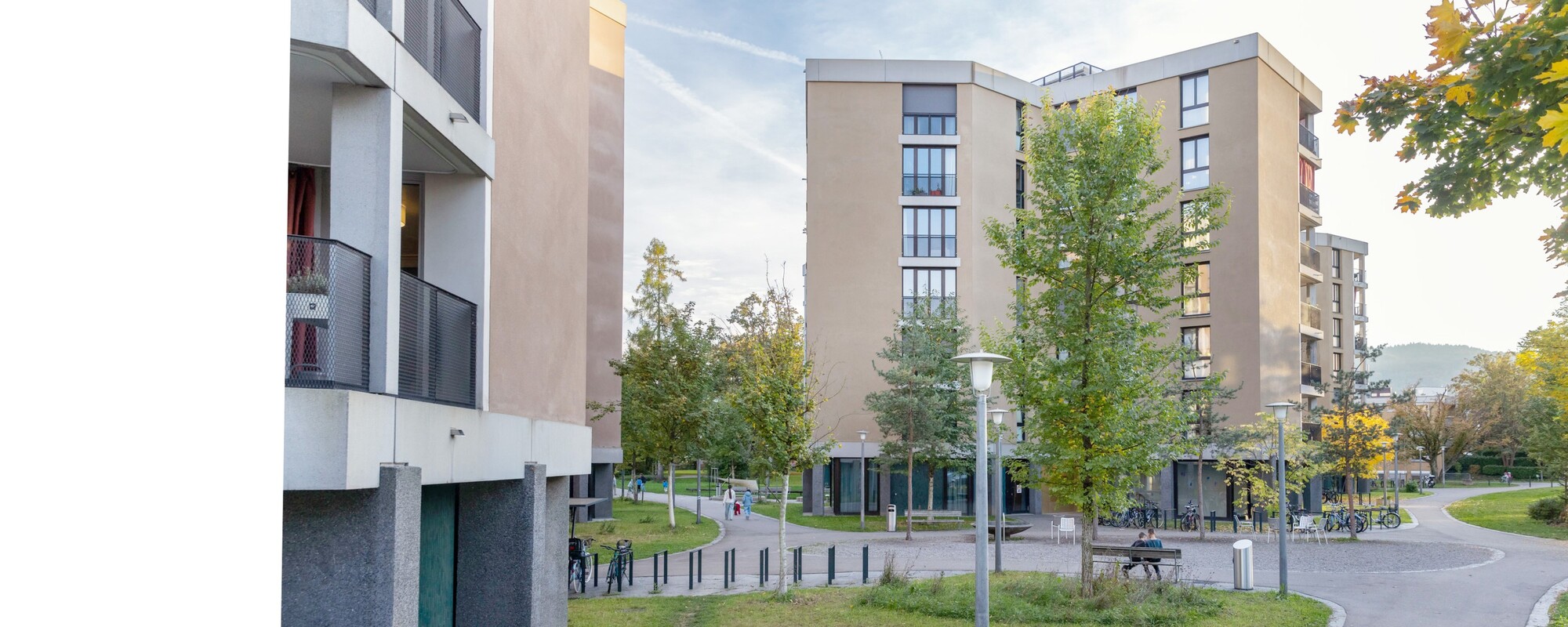
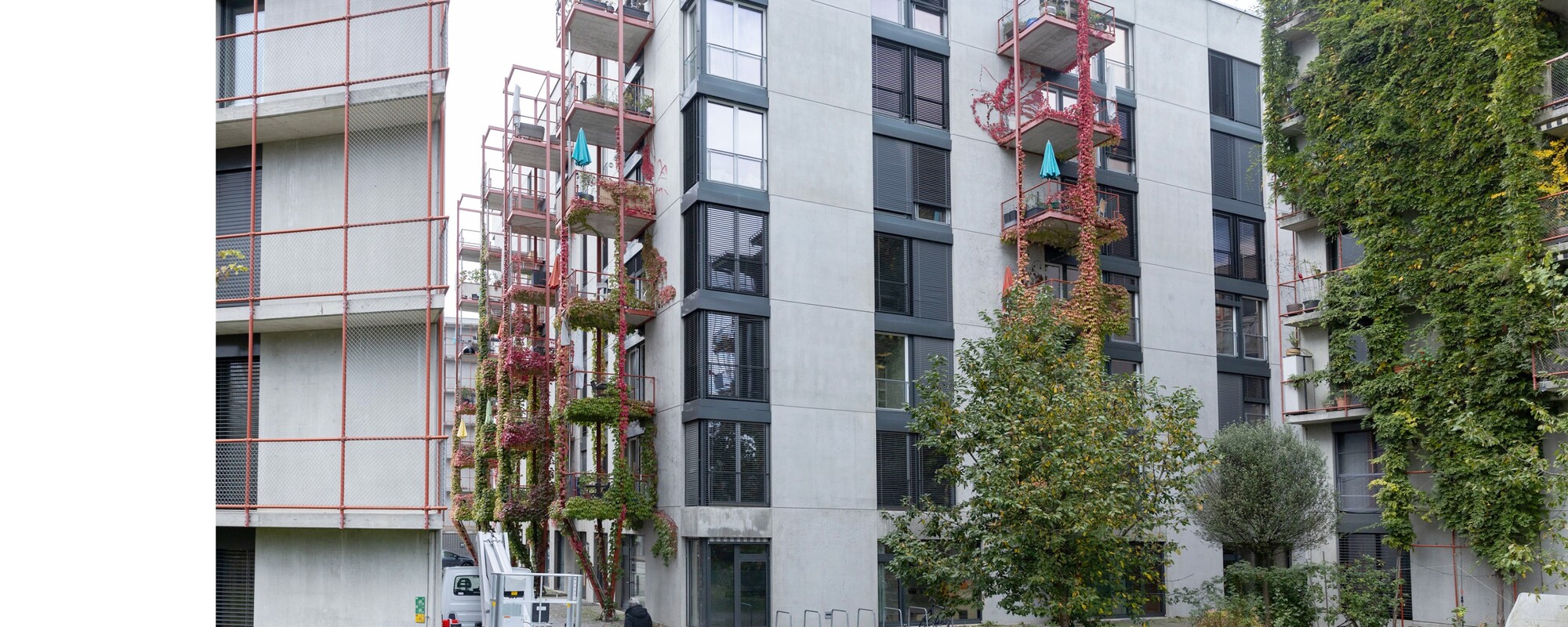
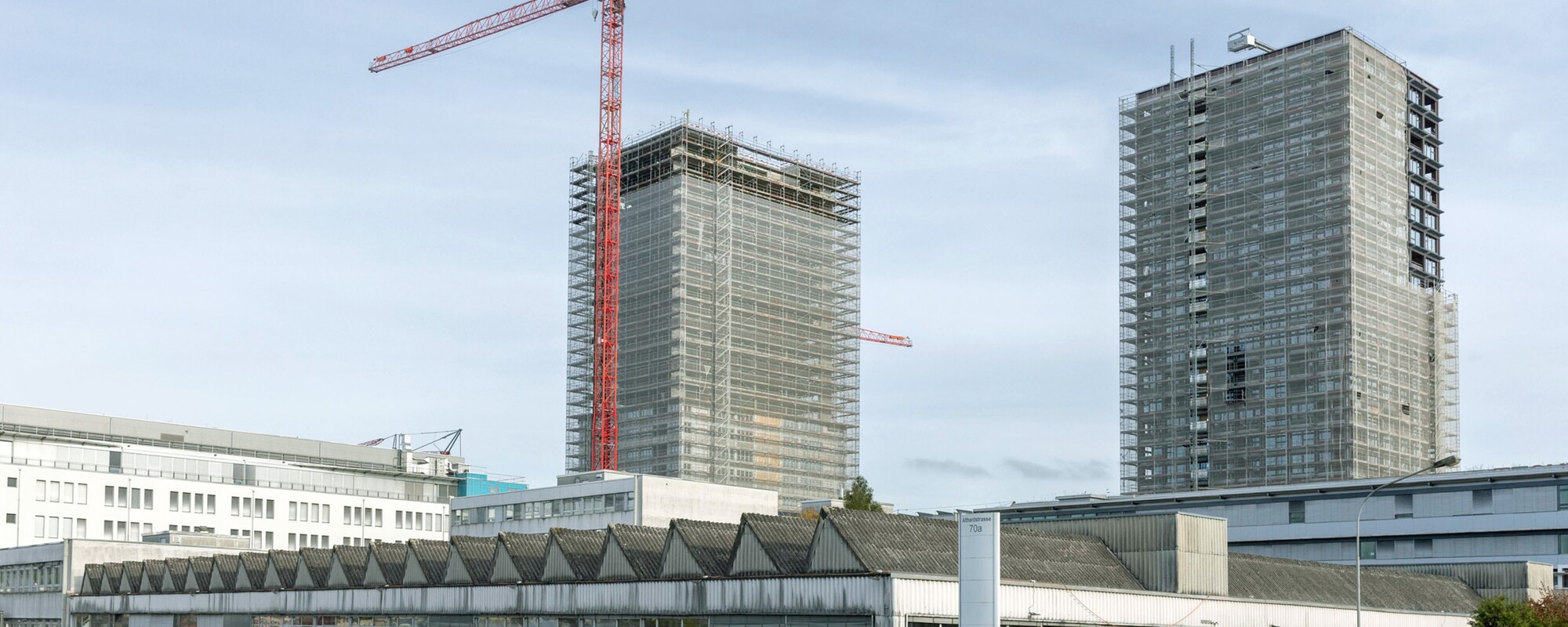
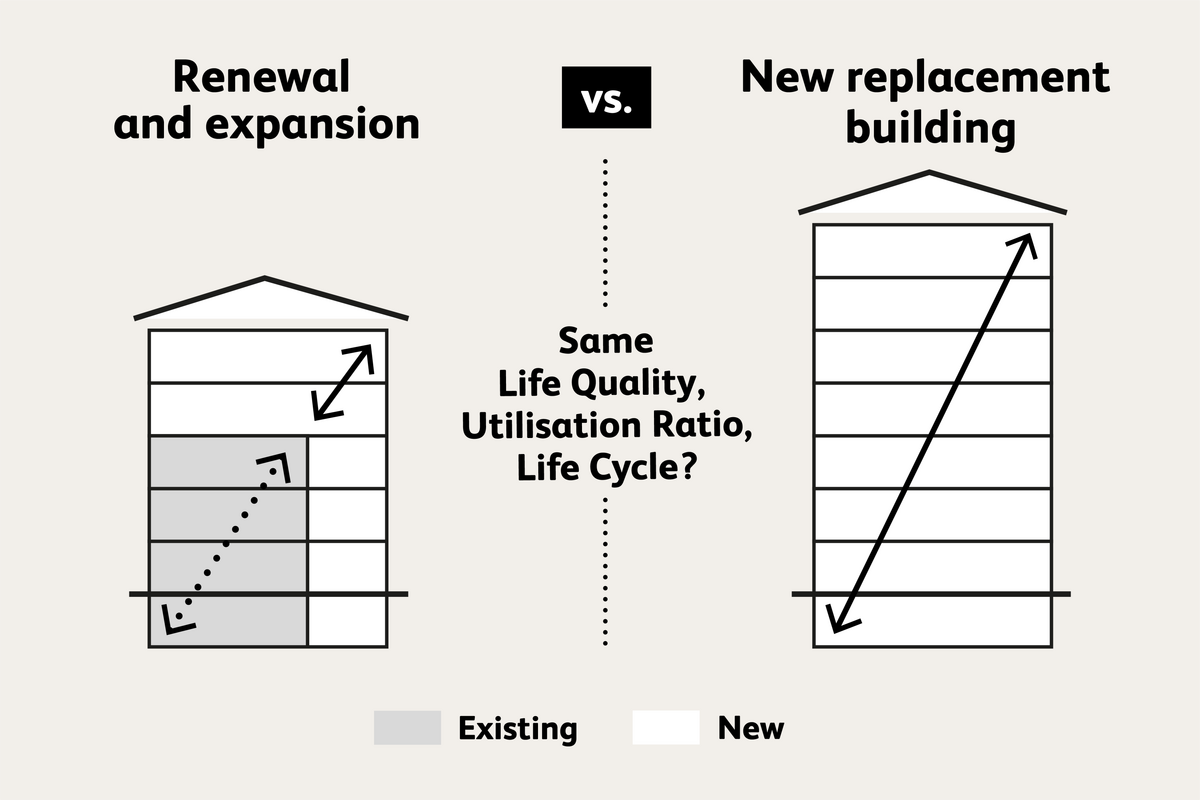
Municipalities and cities today are faced with the dilemma that demographic change and ongoing urbanisation are leading to a densification of settlement areas, while at the same time climate change requires less CO2 emissions and biodiversity requires less land consumption. This demands inward densification and, at the same time, the long-term use of existing building stock.
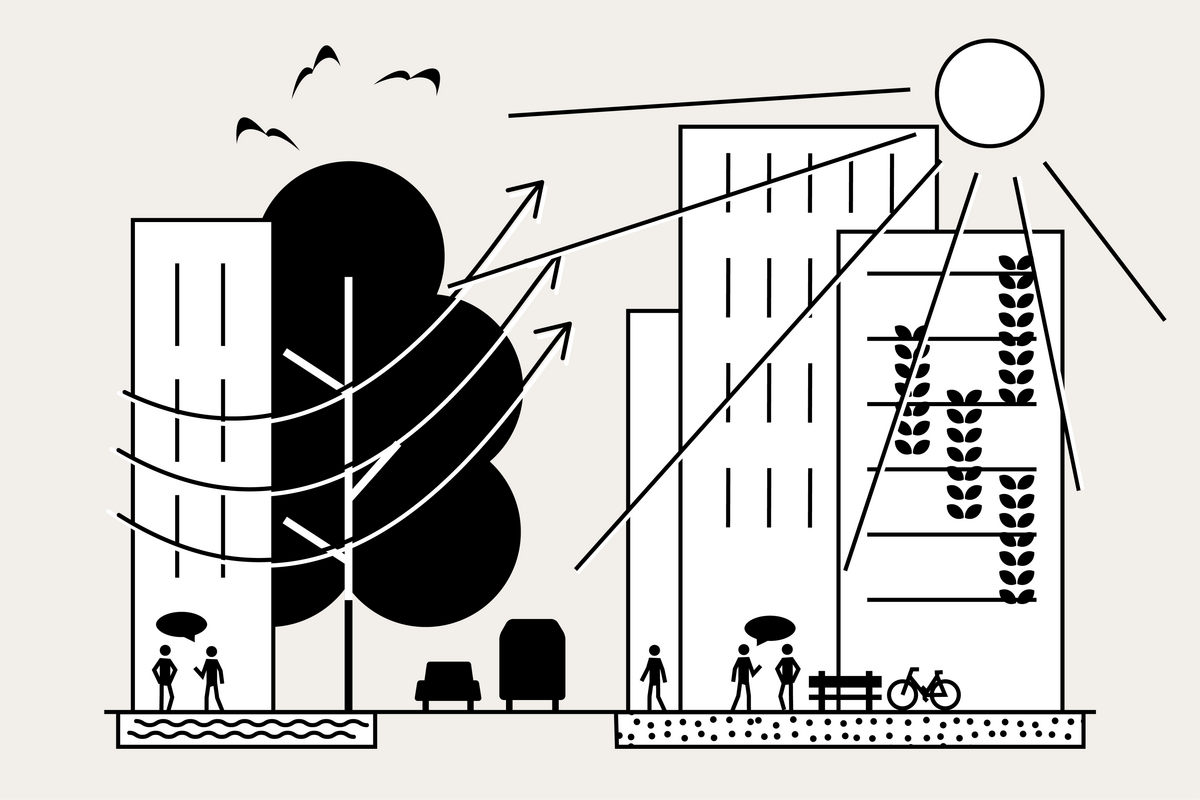
The changing climate, along with associated natural hazards, and demographic shifts demand a built environment focused on resilience. It’s no longer just about efficiency—robust, adaptable structures that can respond to evolving conditions are now paramount. These solutions must be tailored to specific circumstances and require a deep understanding of complex interrelationships.
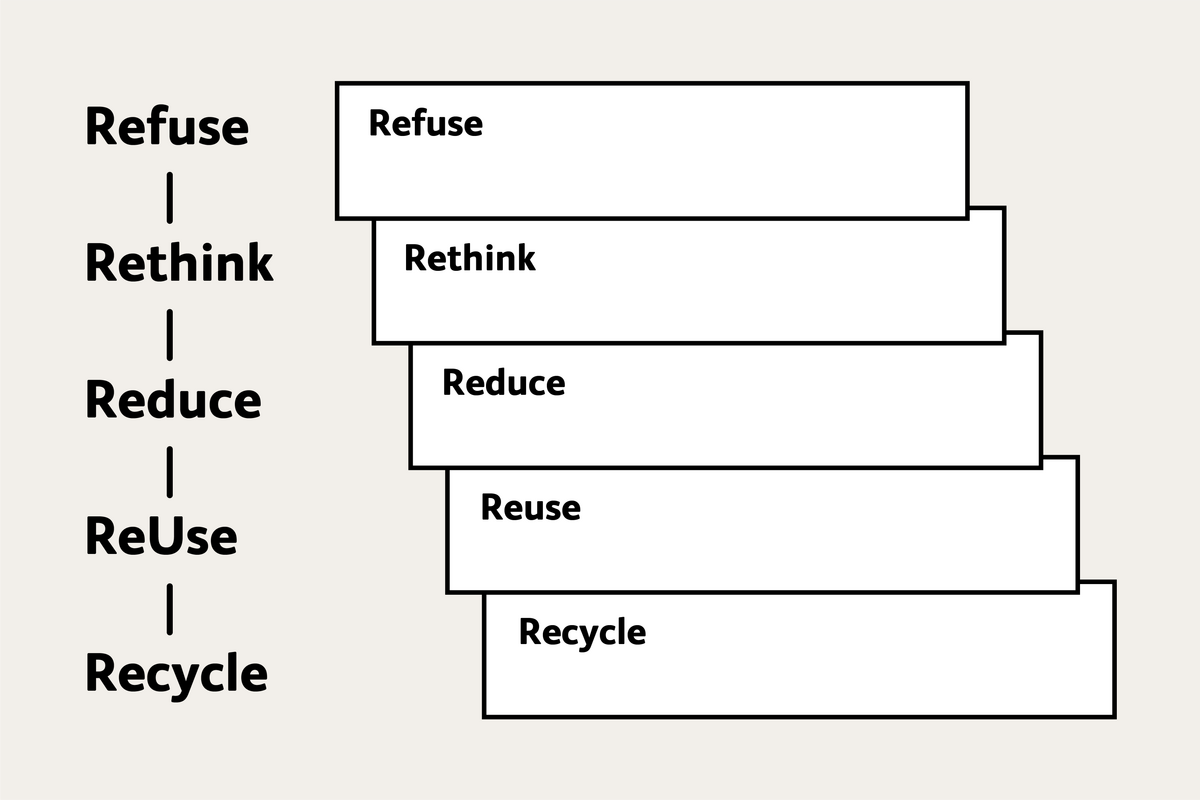
The clear scarcity of materials and the understanding that net-zero goals can only be achieved through longer building lifespans make the circular economy increasingly relevant. Previously, the focus of the circular economy in construction was on recycling building materials. Now, the emphasis has shifted towards the reuse of entire building components and, most importantly, the preservation of existing structures.
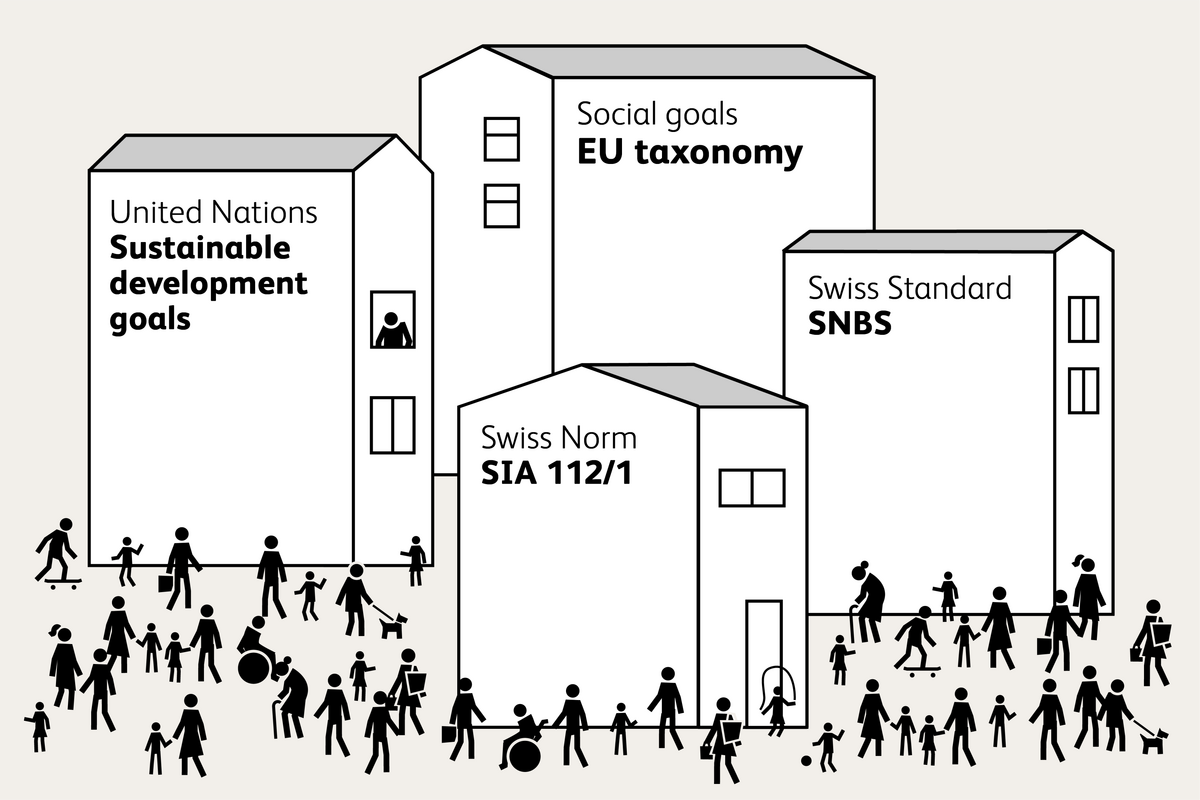
The social dimension is one of the three pillars of sustainability (Brundtland 1987) and the basis for equal opportunities, a diverse society concerned with well-being and health. Several of the UN's Sustainable Development Goals (SDGs) relate specifically to social justice, social prosperity and health.
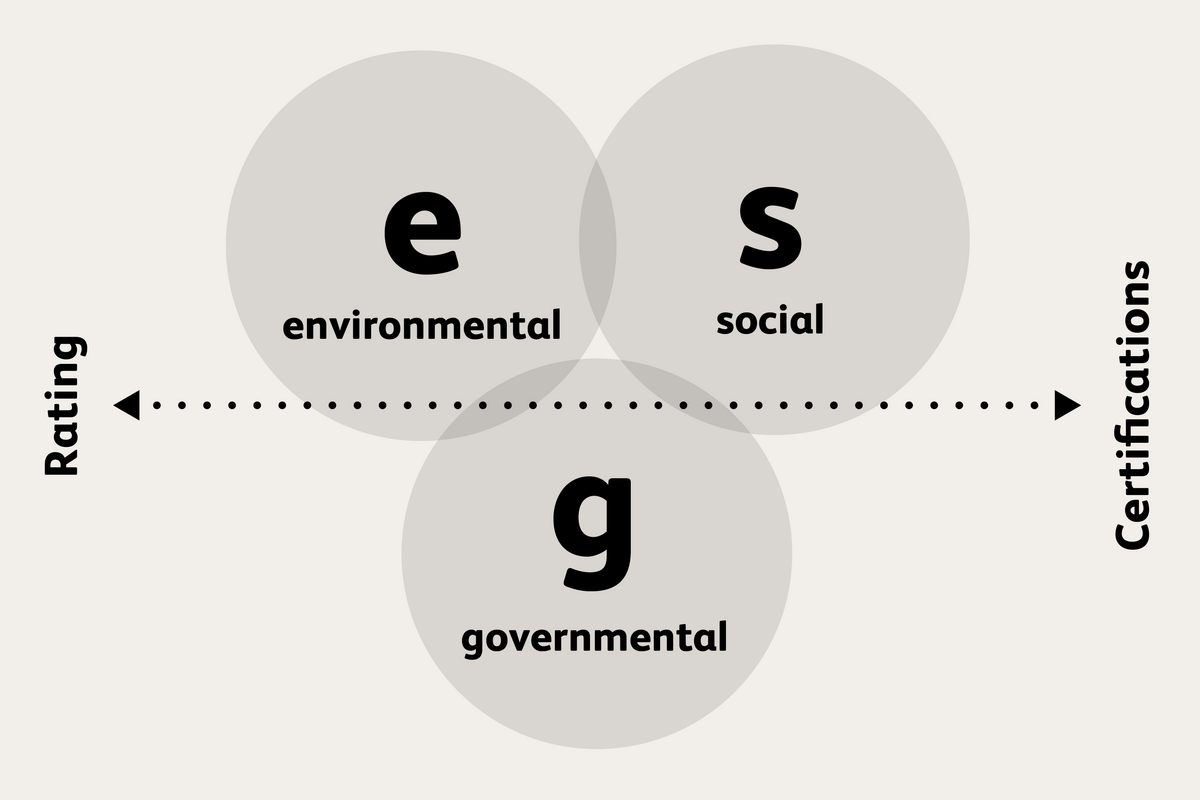
Sustainability certifications have become increasingly relevant. They are no longer just comparative standards or quality management, but in the context of ESG management certifications are essential for proving the sustainable quality of buildings, sites and entire portfolios. Accordingly, sustainability certifications have evolved into 4th generation certificates.

Net zero is an indicator for reducing global warming caused by the emission of greenhouse gases into the atmosphere. Net zero means that the greenhouse gases emitted by humans must be removed from the atmosphere through compensation measures and that the earth's climate balance is therefore net zero, i.e. after deductions from natural and artificial sinks.
‘For me, sufficient building means designing spaces that gain quality and clarity through deliberate reduction.’
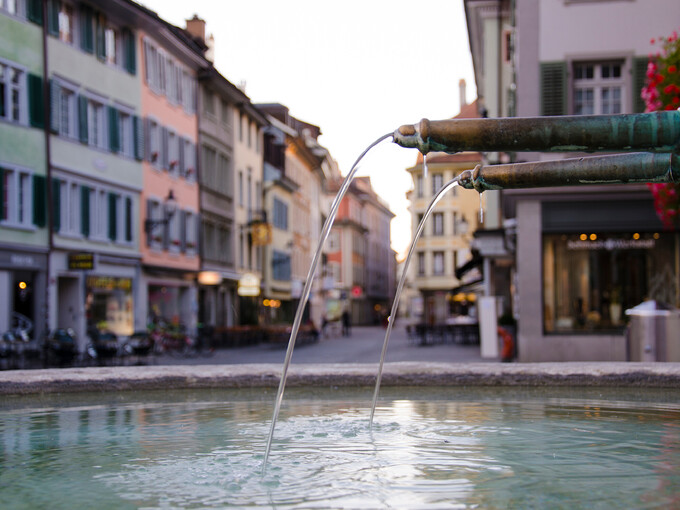
With the postulate «Circular Construction Strategy» ‘Circular Construction Strategy’, the City Council of Winterthur was tasked with ‘submitting a report on how circular construction can be increasingly implemented and promoted in Winterthur in order to set an example’.
Durable supported the Office for Urban Development in responding to the postulate. The focus was on comparing the current business-as-usual construction and demolition process with a circular process. The need for a strategy that defines goals and measures was identified as a key area for action. In addition, the implementation steps for the transformation to construction with minimal use of resources were worked out specifically for the city of Winterthur.
The full report can be downloaded here.
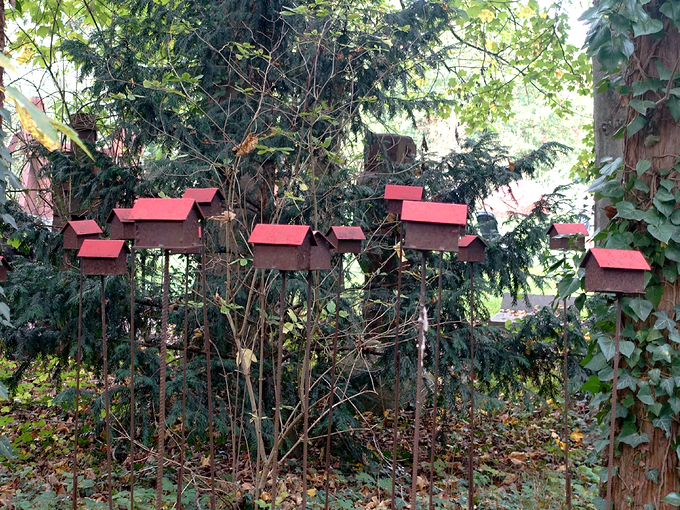
It became public on 13 September 2023: in 2022/23, we were commissioned by the Swiss Sustainable Building Network NNBS to develop the certifiable 'SNBS-Areal' standard. 'SNBS-Areal' is part of the SNBS/Minergie/GEAK label group and a follow-up solution for the 2000-watt site certificate.
We designed SNBS-Areal so that pre-certification can be meaningfully applied during the development phase (SIA Stage 2). This enables early strategic decisions, site development aligned with the plan of work, and the establishment of an appropriate standard for developers and the public sector for special utilisation planning.
SNBS-Areal addresses key ESG topics such as climate protection, microclimate, circular economy, water management, and biodiversity, without delving too deeply into building specifics. We are already in the process of certifying the first sites under this standard.
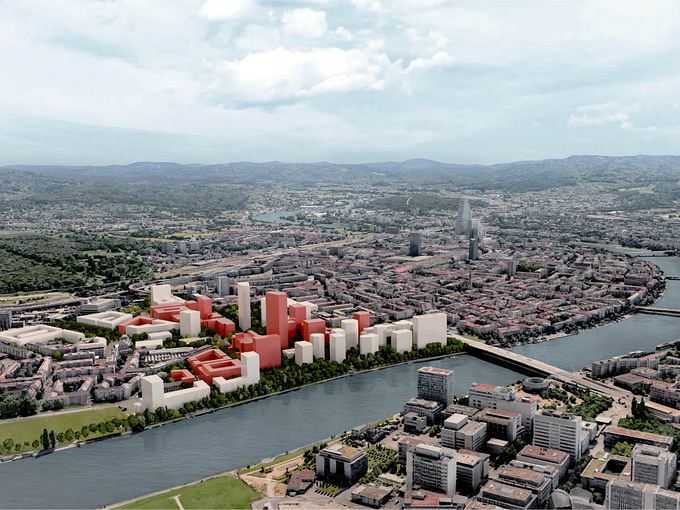
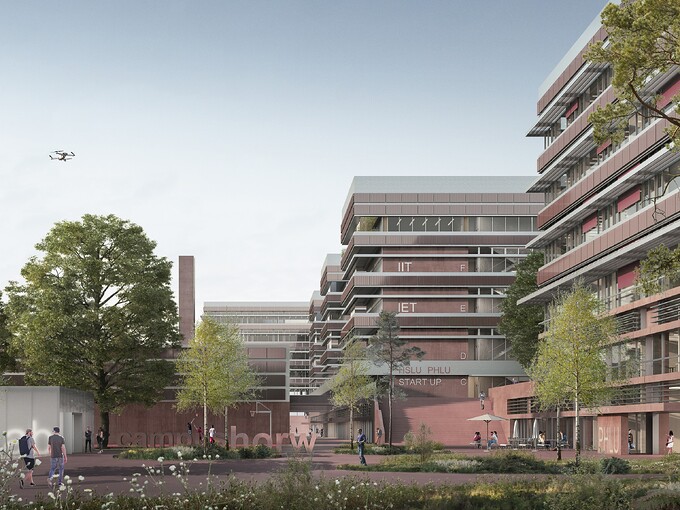
SwissLife, Rhystadt and the canton of Basel-City are co-developing the klybeckplus site, a former BASF and Novartis chemical site in the north of the city of Basel. In this long-term development, flats for 8,000 people, a similar number of workplaces, commercial and cultural facilities and public outdoor spaces shall be created. Due to the long-term perspective, klybeckplus is being developed according to the latest sustainability standards.
Together with Bricks, we are commissioned to certify SwissLife's share of the klybeckpklus site using the 'SNBS-Areal' standard that we developed in 2023. The pre-certification will take place during the development and will be the first for a site in Switzerland. The added value of a site development that focuses on sustainability is already evident.